To You Who Shall Remain Unborn
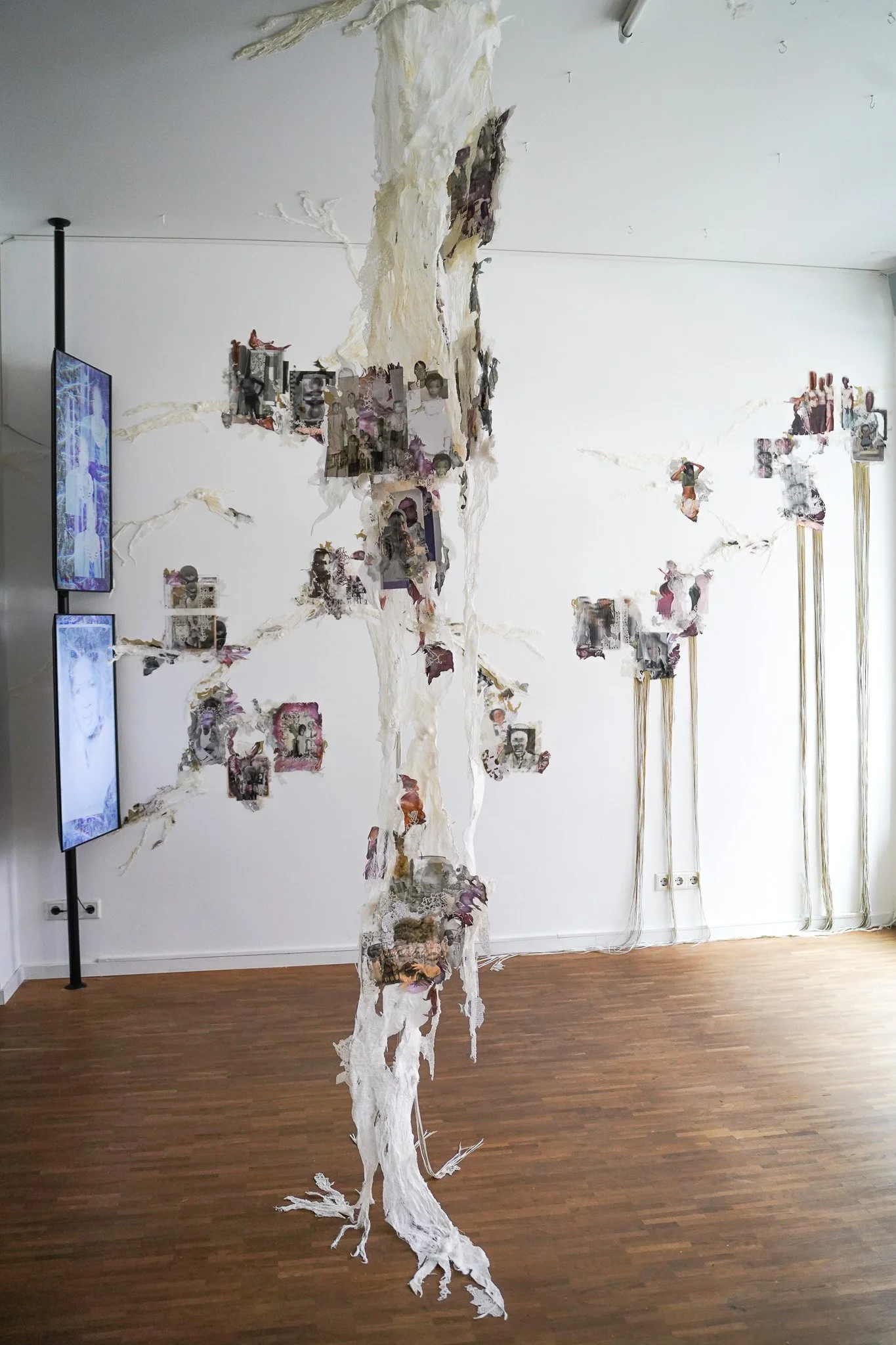
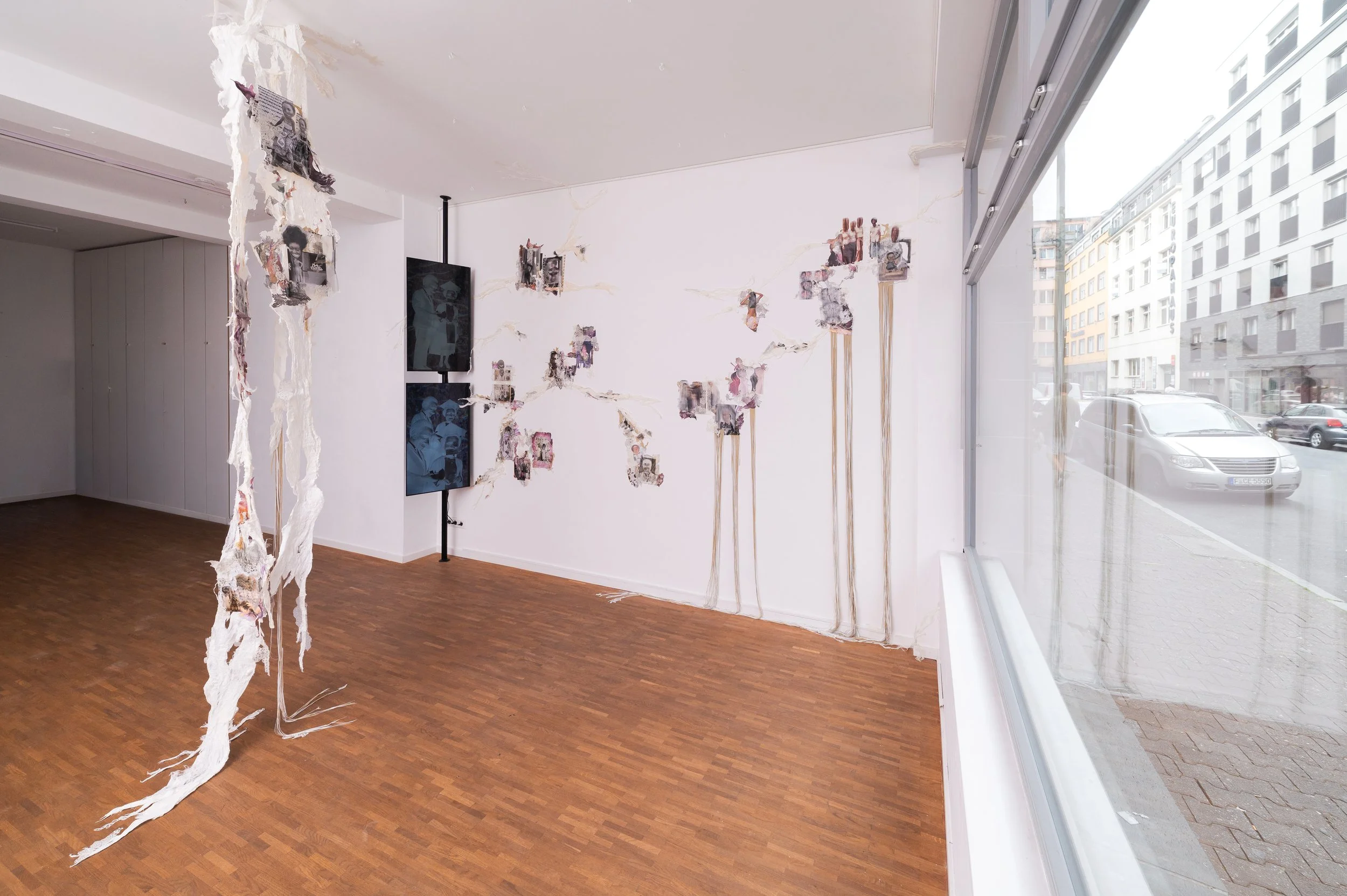
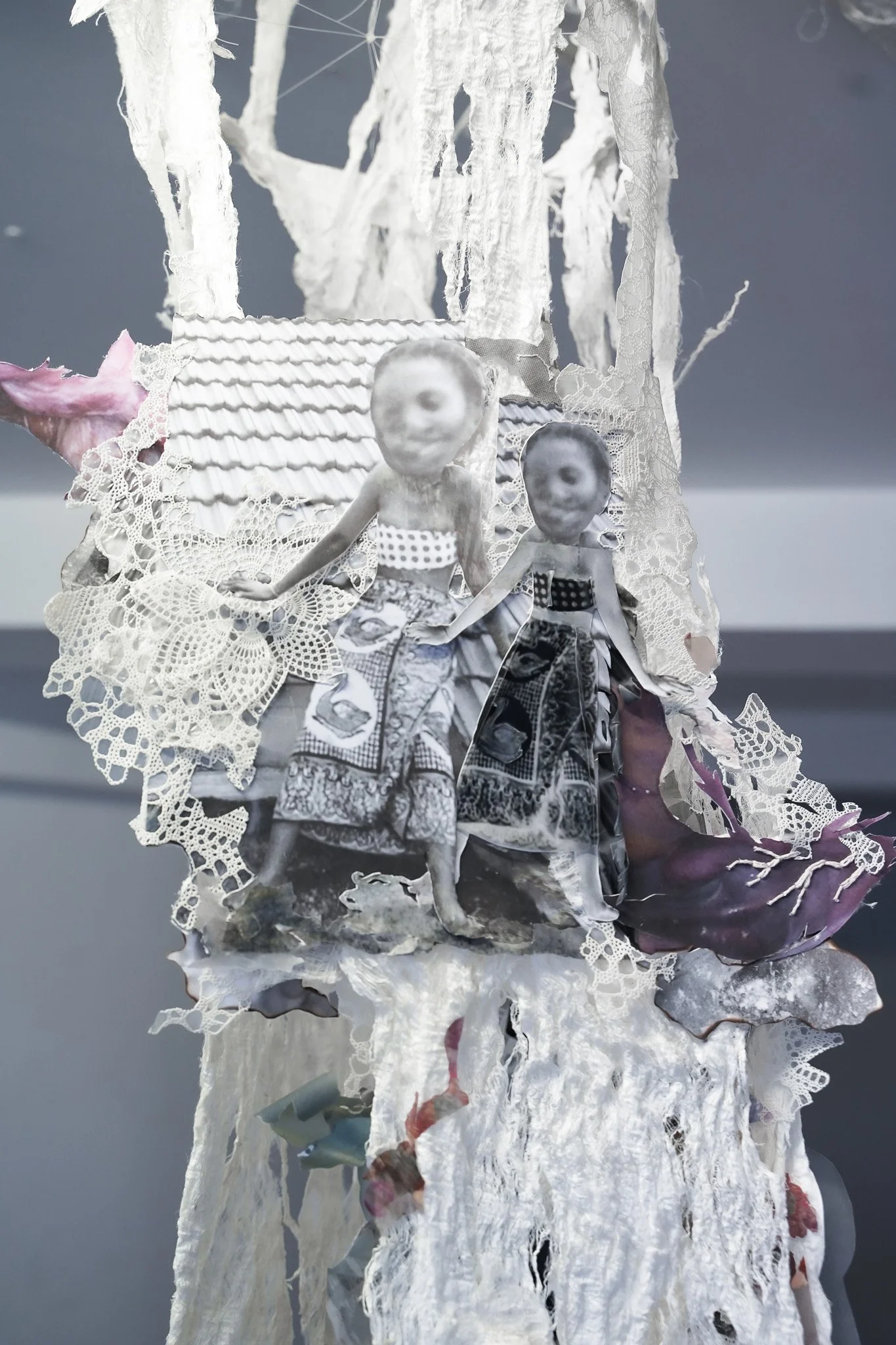
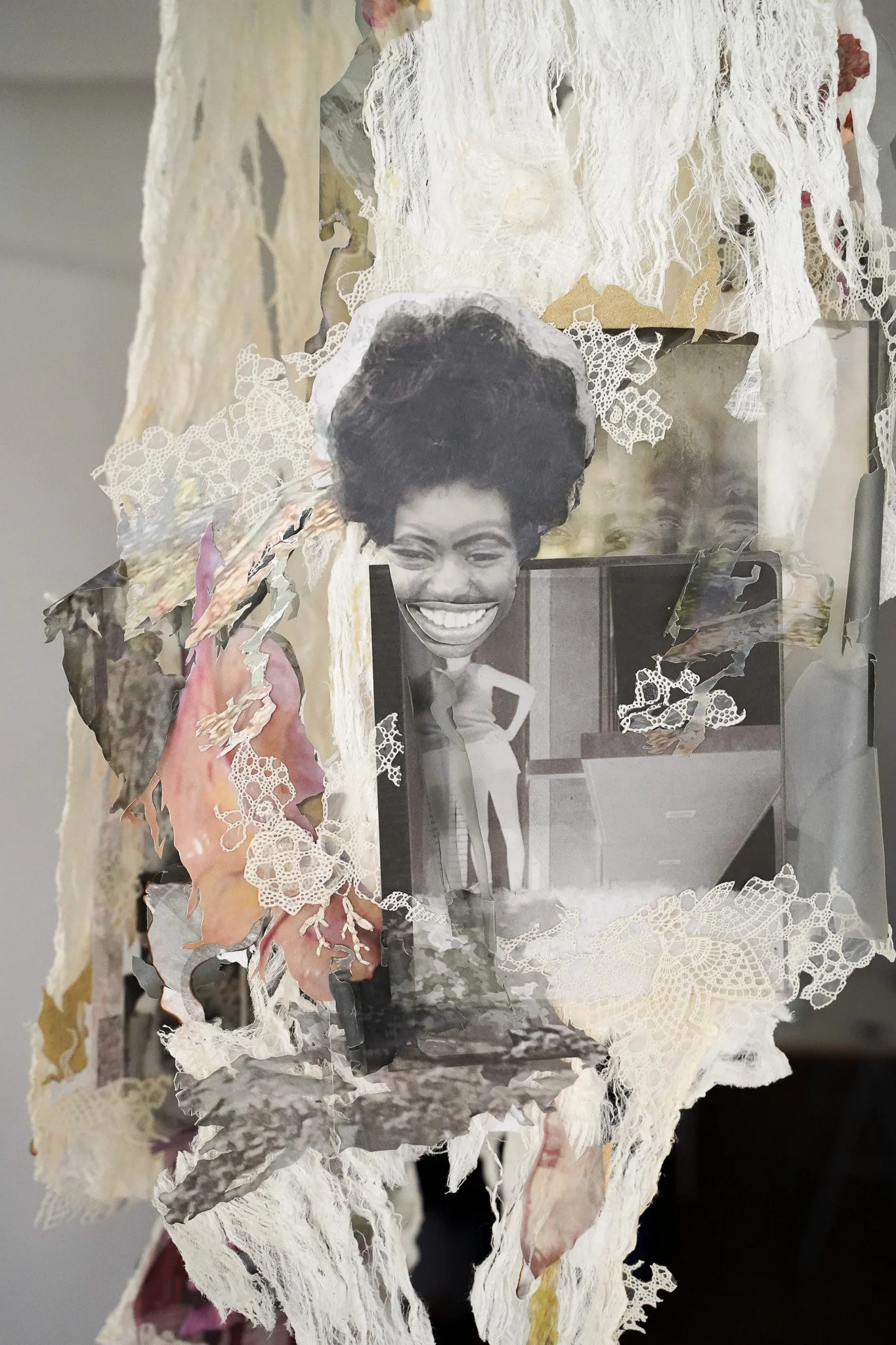
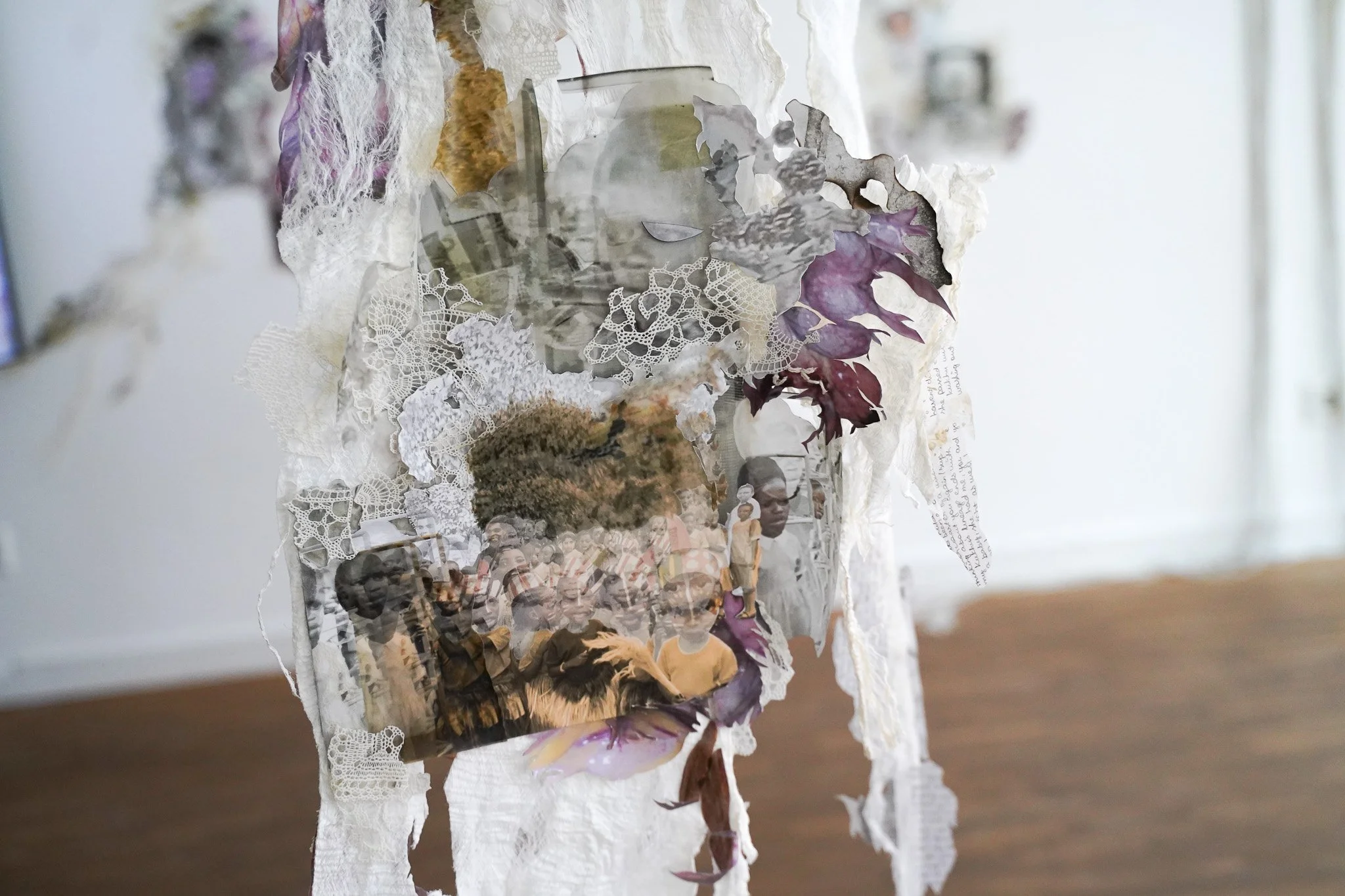
2026, multimedia installation incorporating two-channel video, sound, archival family photographs, lace, paper collage, birch tree bark and an artist book.
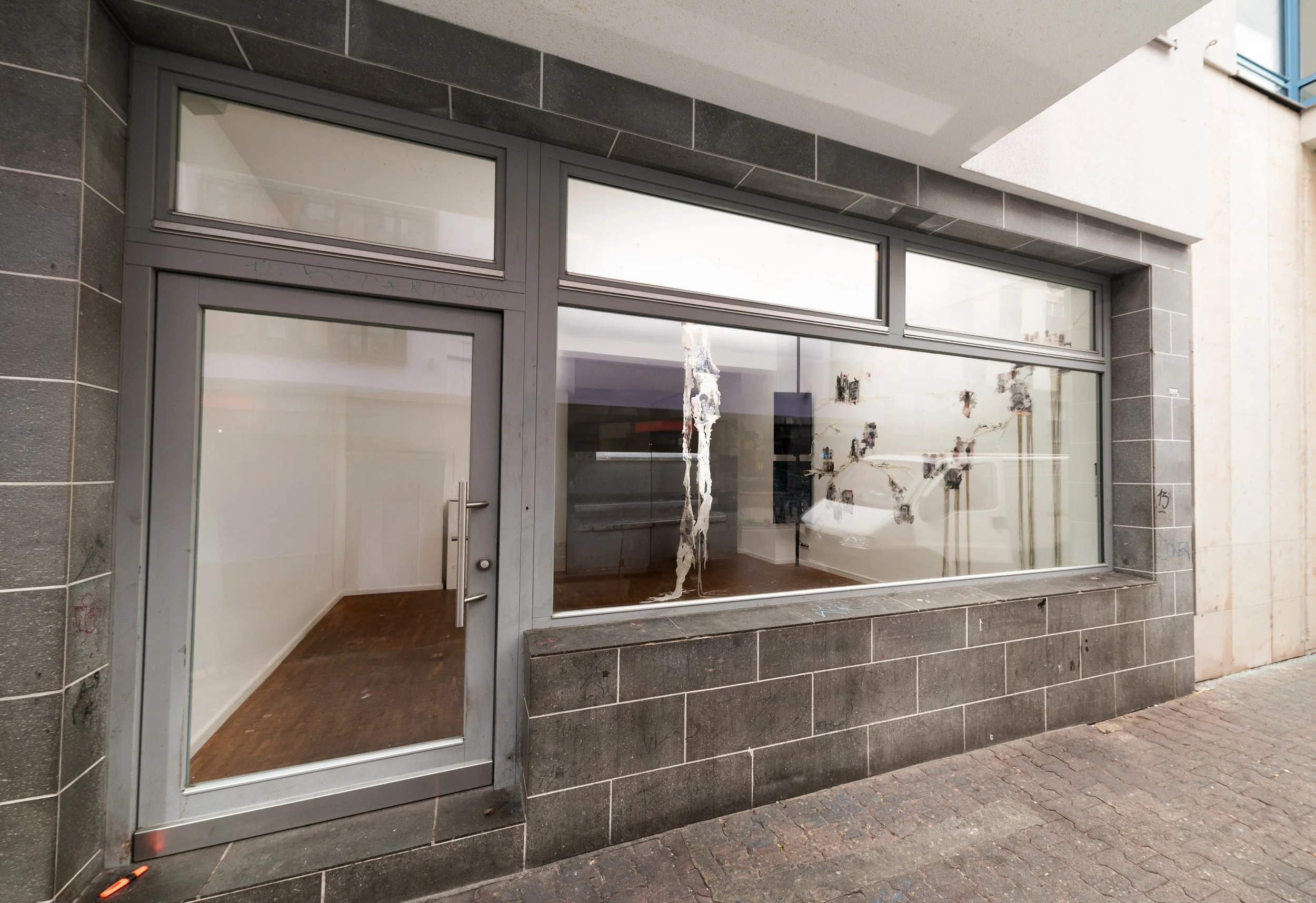
Showcased Solo Exhibition: Synnika space Frankfurt | 04.09 – 30.10.2026
-
What does it mean to mother when the children one is writing to will never be born?
Drawing from her personal experiences of chronic illness and the complexities of womanhood, Kenyan interdisciplinary artist Jordan Rita Seruya Awori (JRSA) explores the intersections of reproductive autonomy, ancestry, memory and the possibilities of motherhood beyond biology.
To You Who Shall Remain Unborn emerged from a deeply personal process of writing to lives that would never come into being. Through these imagined conversations, JRSA confronts questions of identity, grief, inheritance and the expectations placed upon women's bodies, while considering how acts of creation, imagination and care might offer alternative understandings of motherhood.
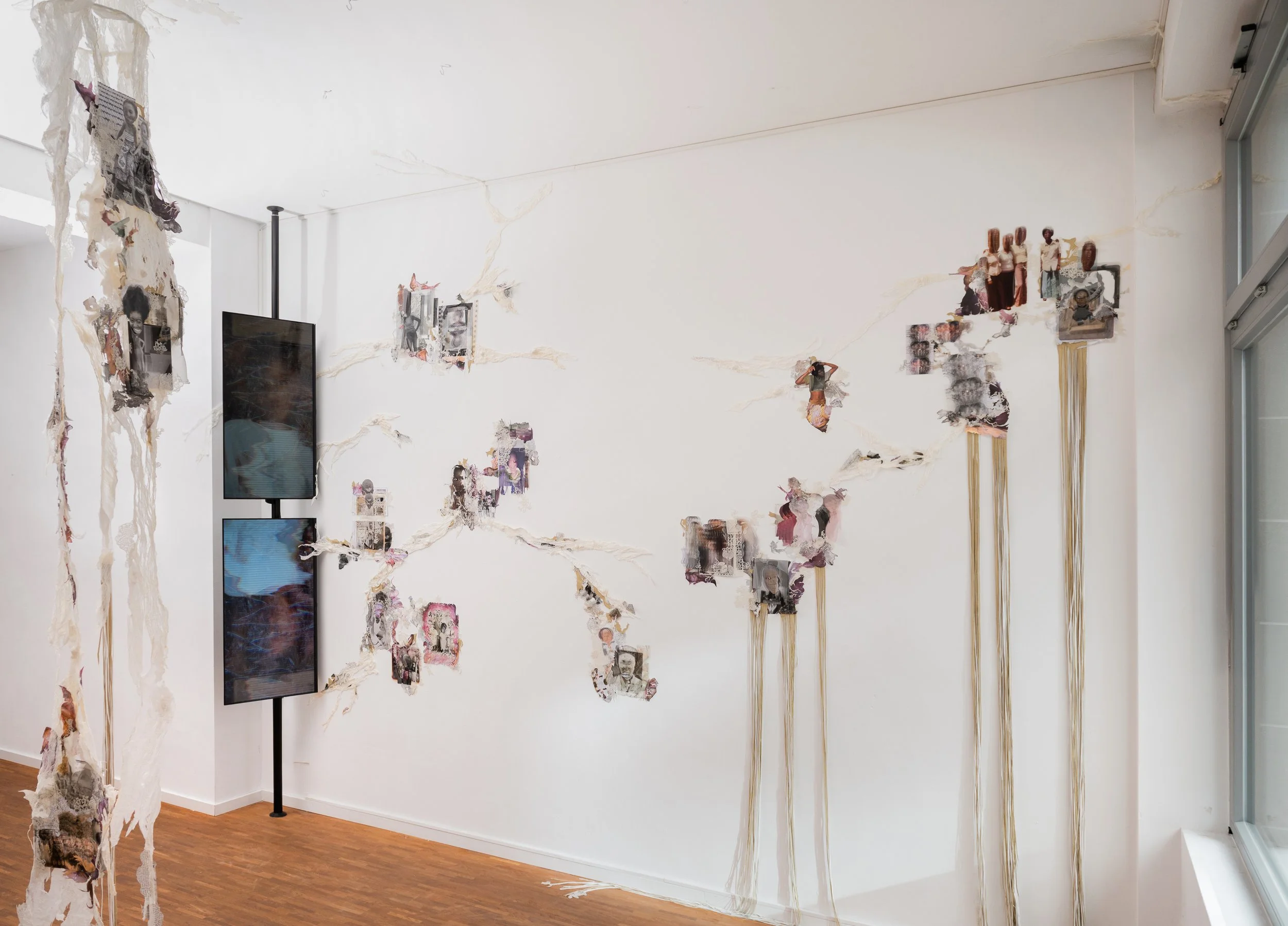
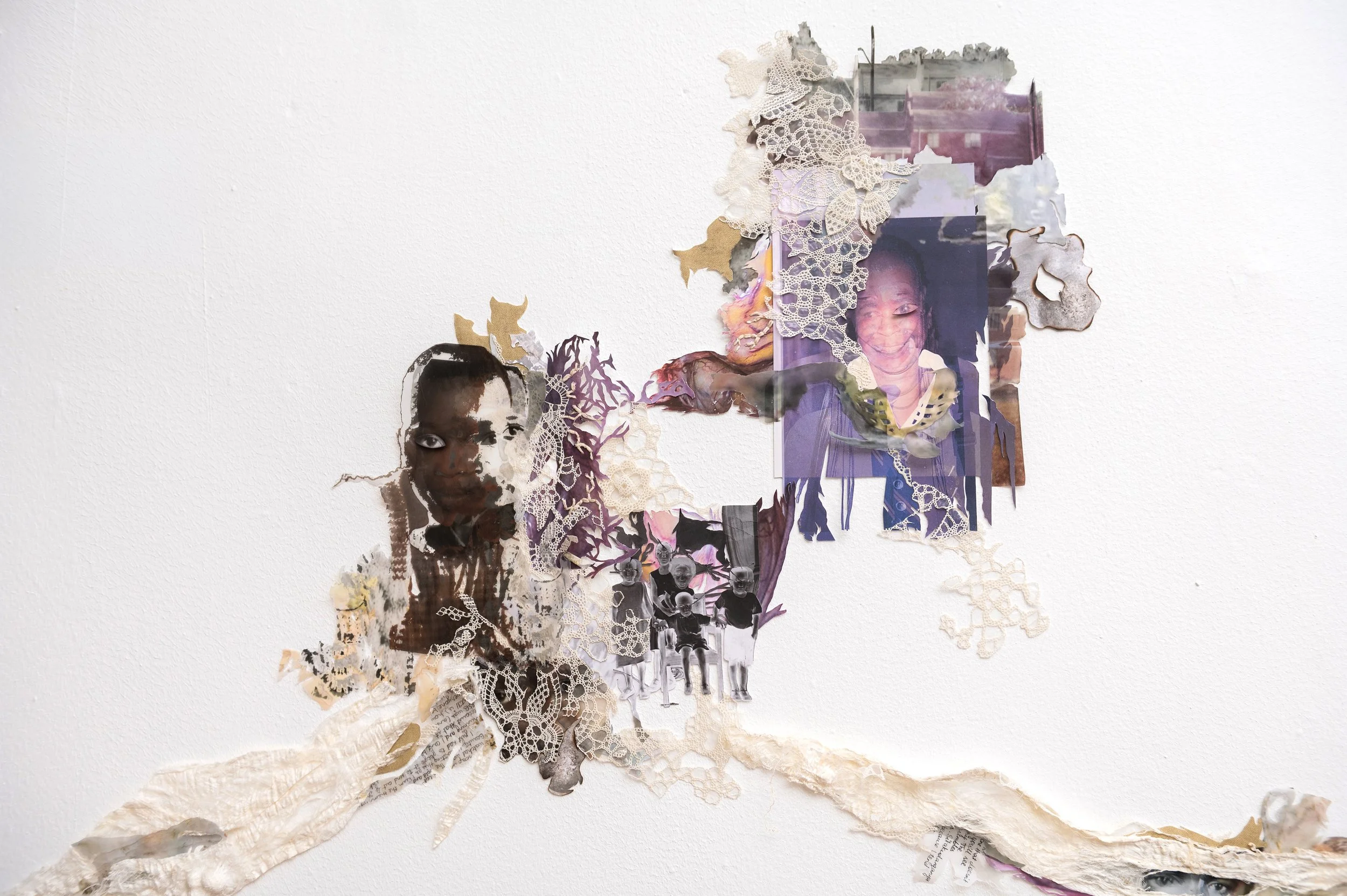
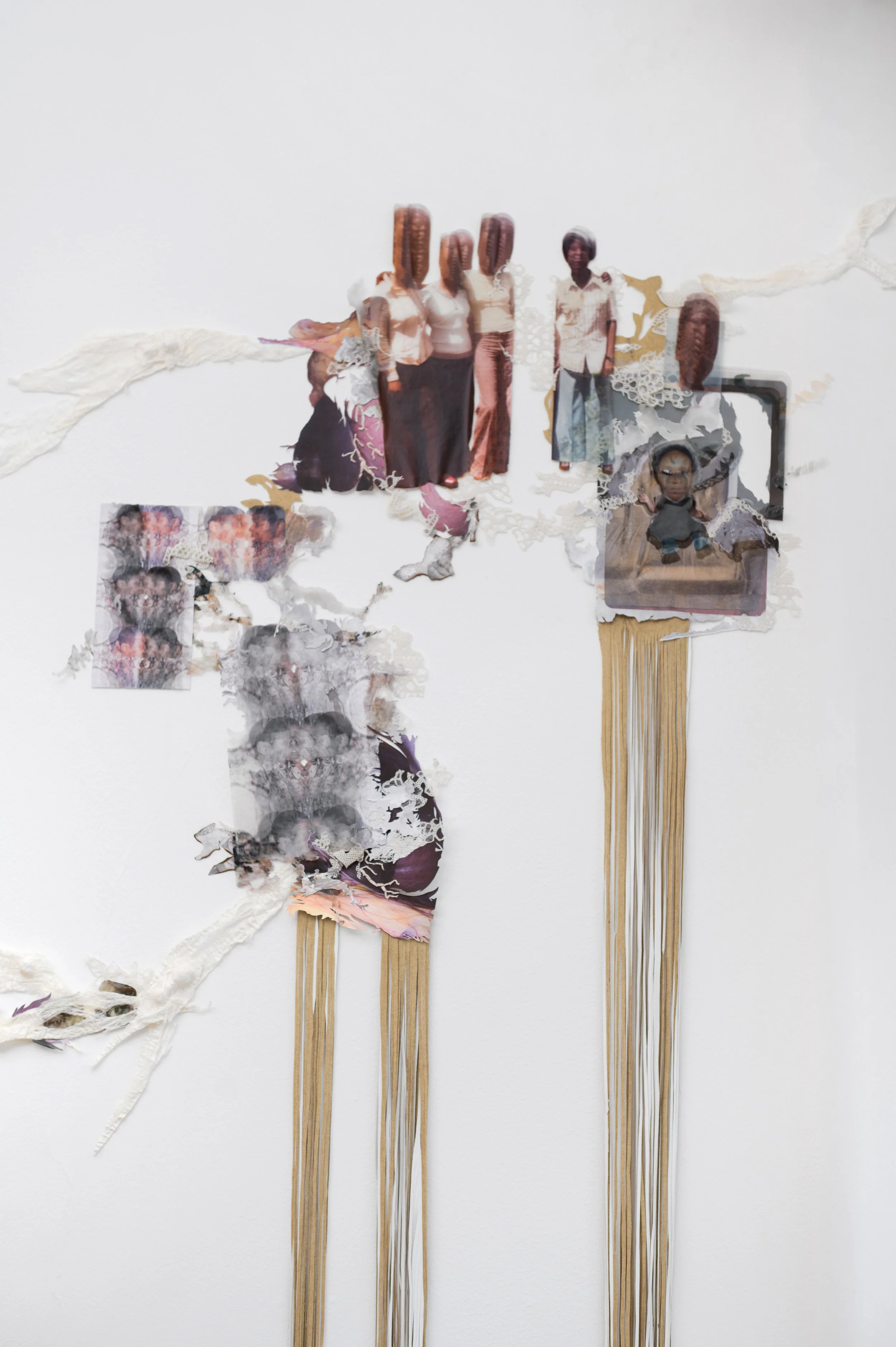
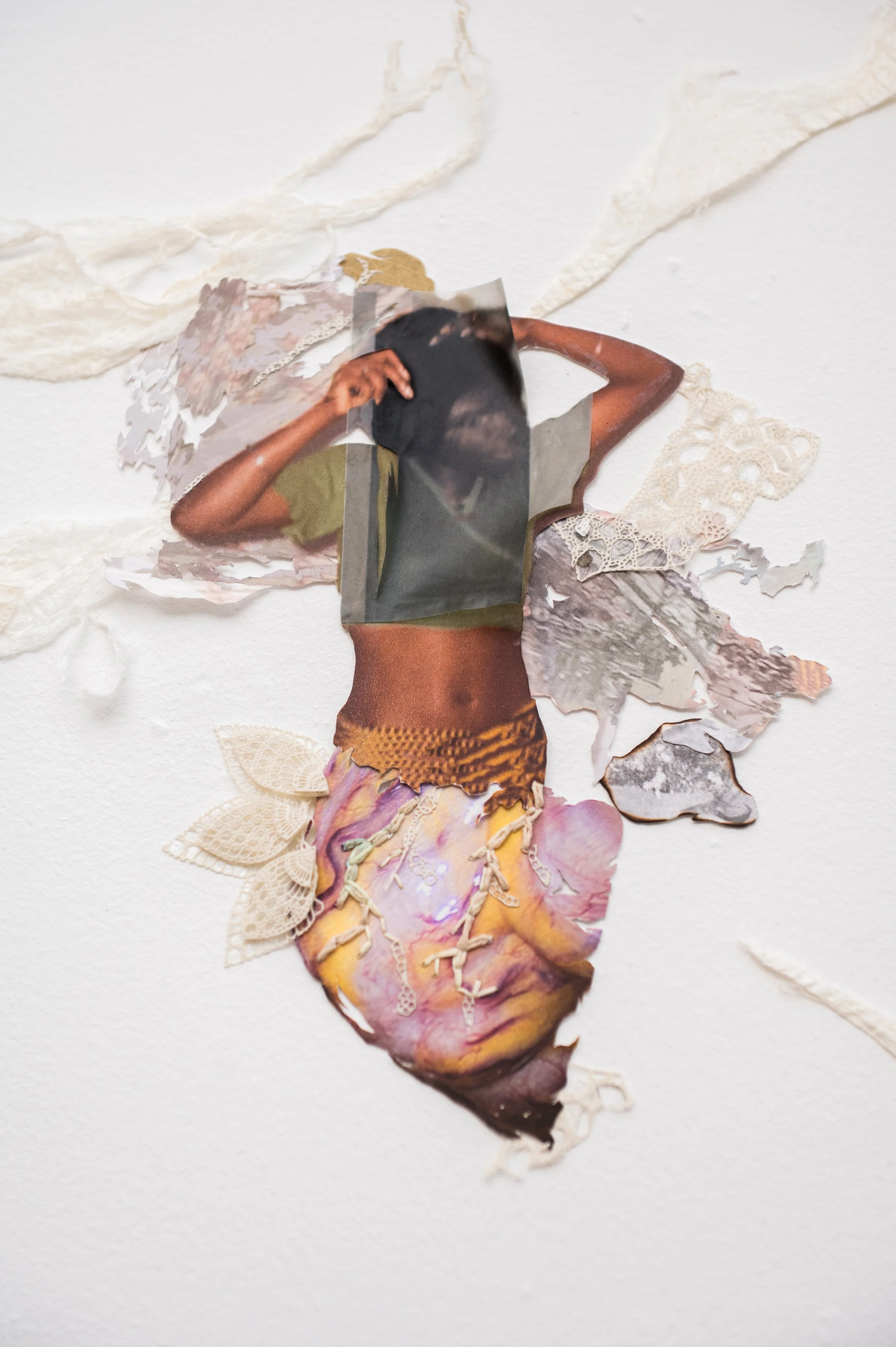
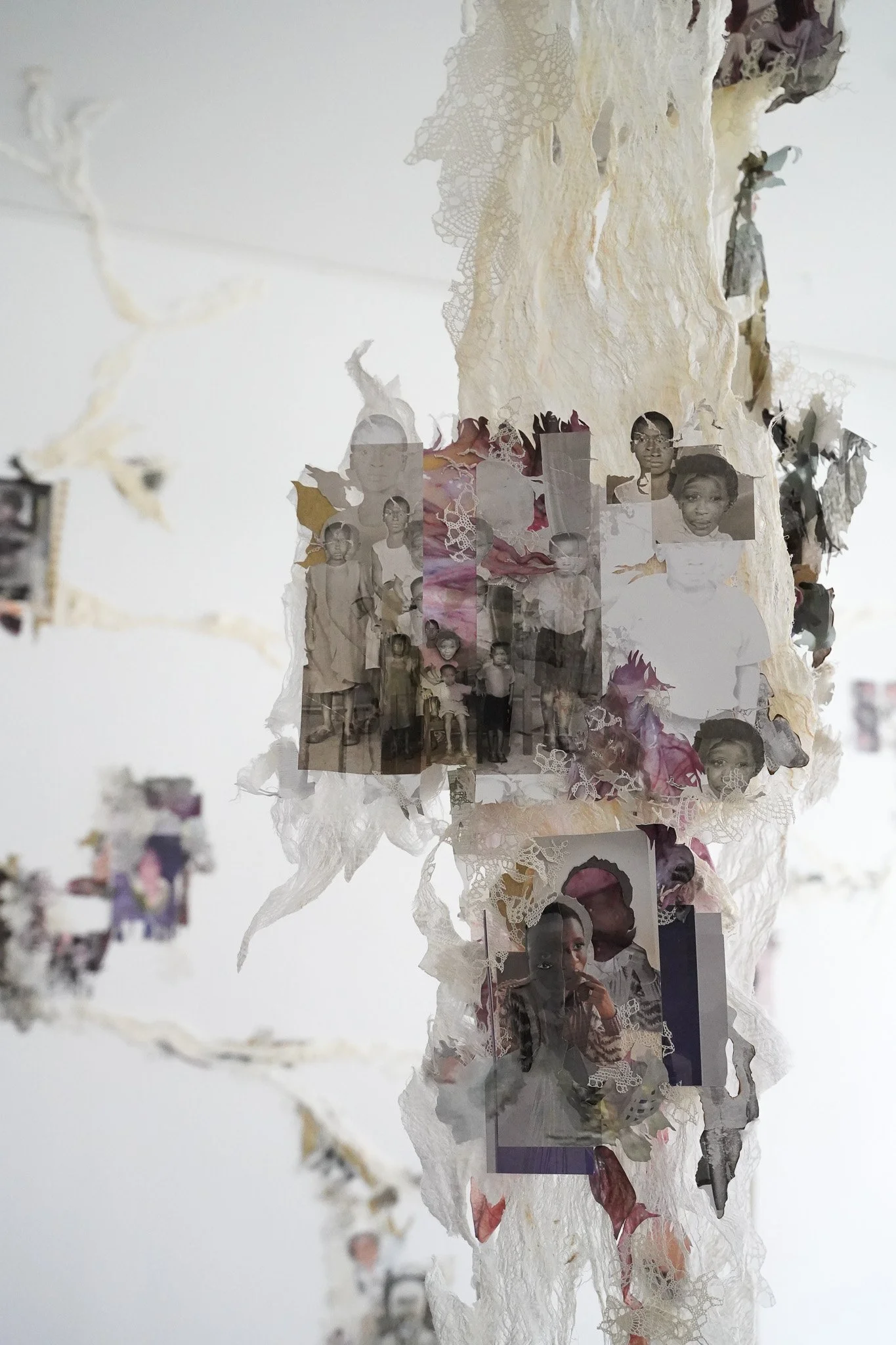
Bringing together archival family photographs, fragmented imagery, textiles, moving images, sound and personal writings, the work examines the relationship between those who came before us and those who may never come after. The collages explore the fragile nature of memory and inheritance, questioning what is preserved, what disappears and how family histories continue to shape our understanding of ourselves.
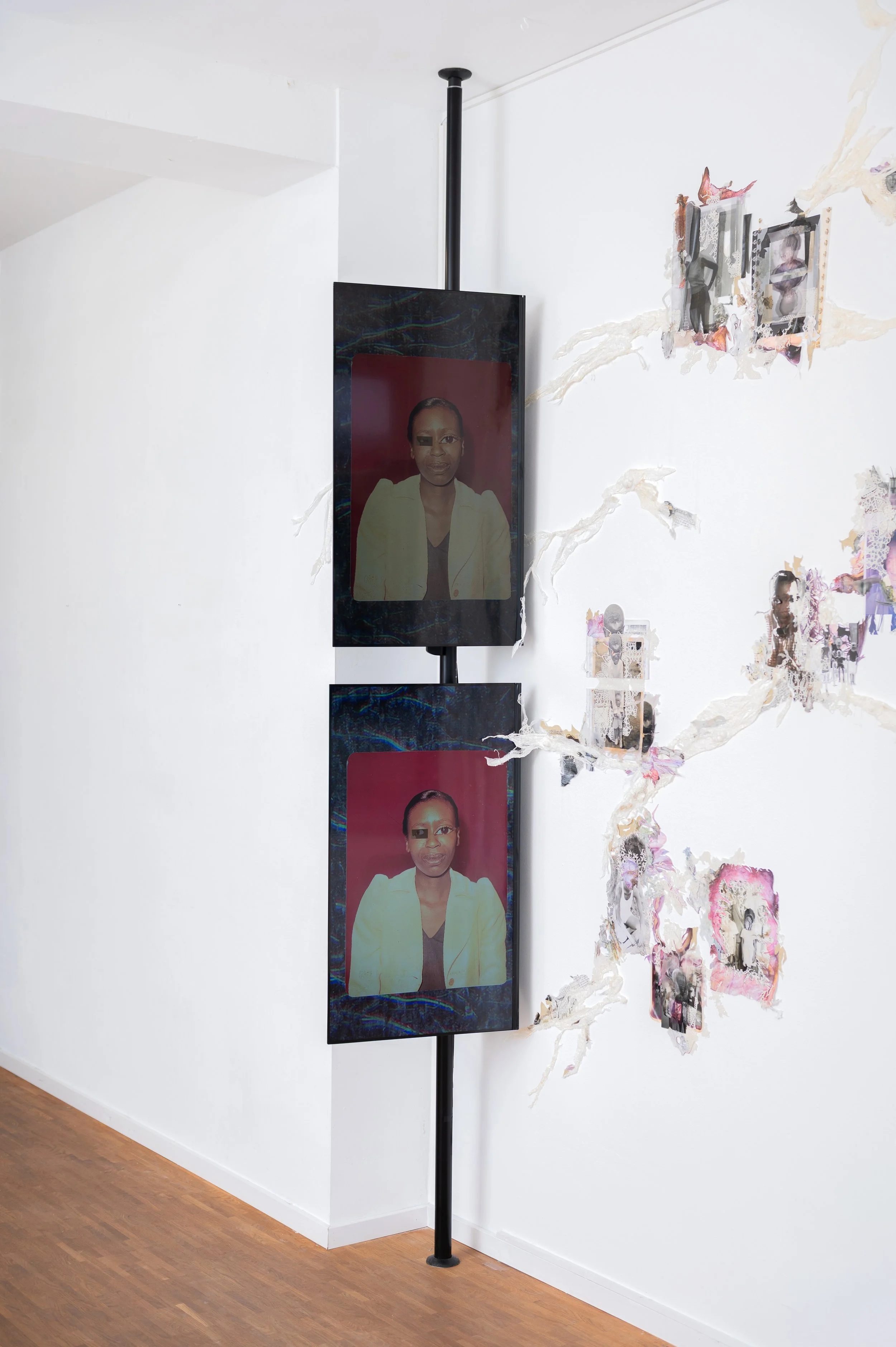
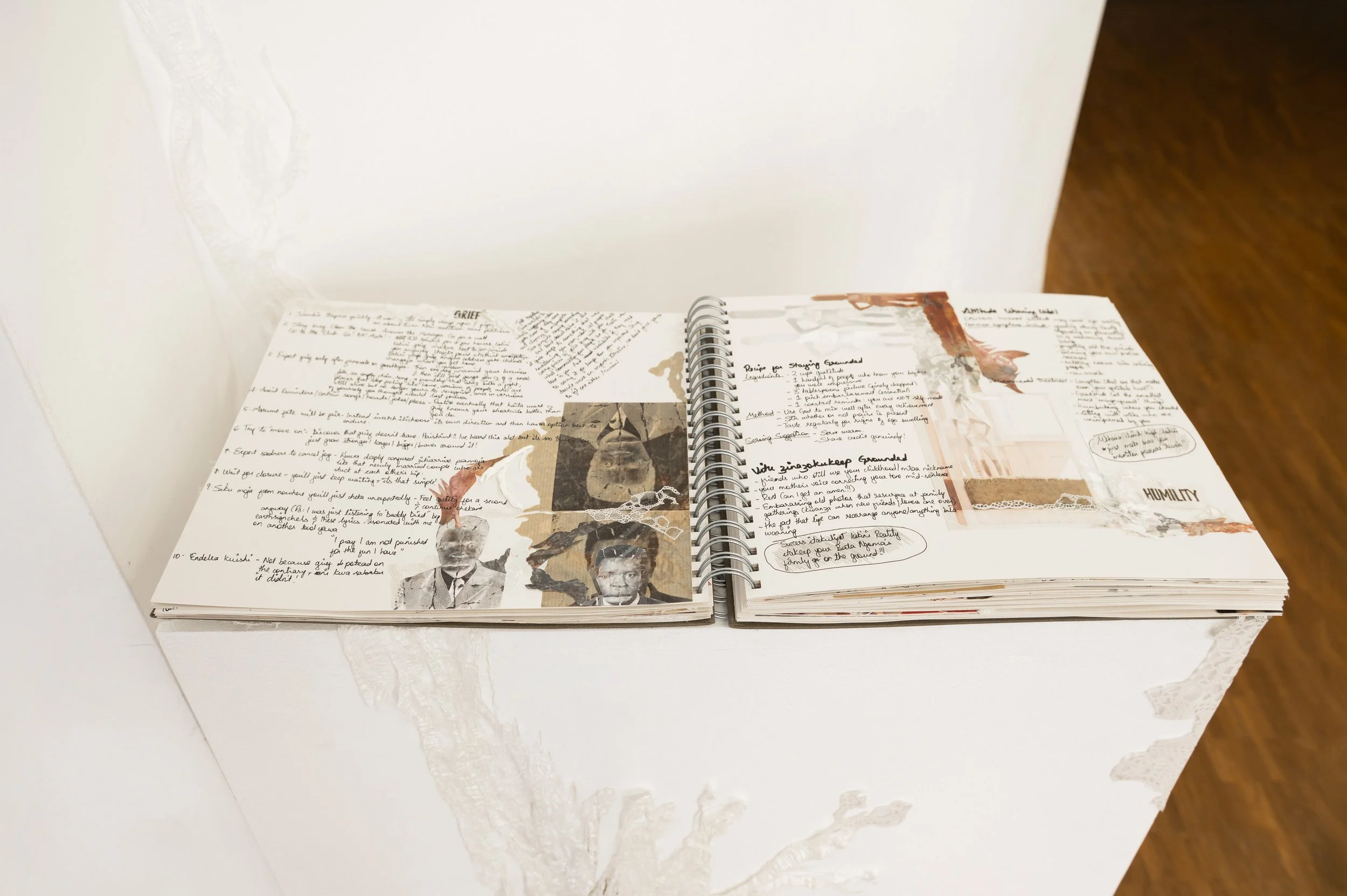
The two-channel video, To You Who Shall Remain, introduces moving images and sound into this exploration, extending the work's reflections on the body, absence and imagined futures. An accompanying artist book takes the form of an intimate diary addressed to those who shall remain unborn, preserving thoughts, questions and conversations with lives that will never be.
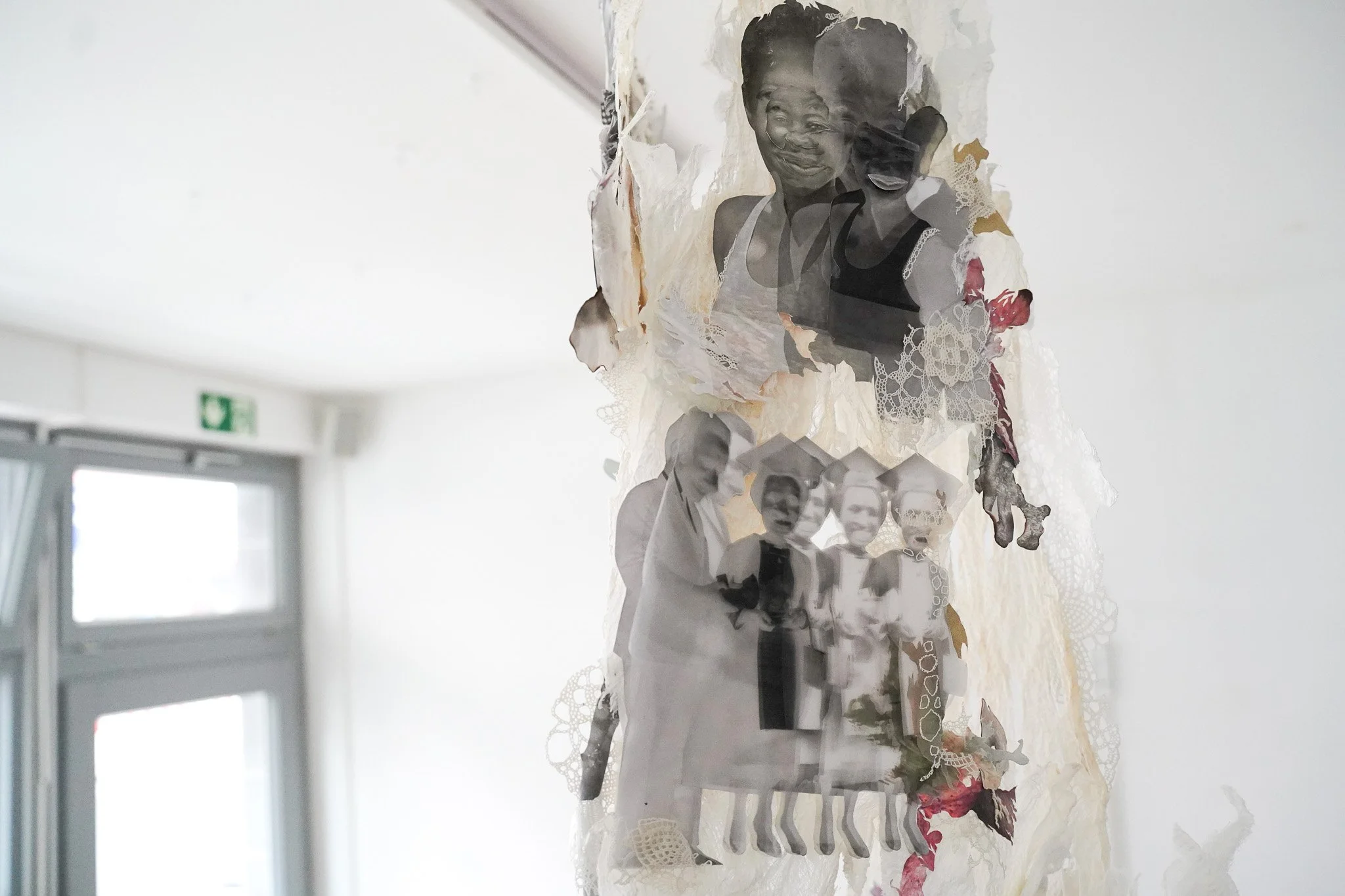
Birch tree bark serves as both a physical and symbolic connection between these elements. Its organic qualities evoke growth, ancestry and continuity, while its fragmented presence reflects the complex relationship between memory, the body and the passage of time.
Through these interconnected materials and narratives, JRSA approaches the work as an act of healing, introspection and defiance. Rather than presenting motherhood solely as a biological experience, the installation questions how nurturing, creation and care might exist in other forms.
As JRSA reflects:
“For me, this work is an act of healing, introspection and defiance. A questioning of the expectations placed upon women's bodies and a reminder that perhaps mothering can also exist through art, imagination, care and community.”
Ultimately, To You Who Shall Remain Unborn is an exploration of absence, but equally of presence, continuity and the possibility that lives which never come into being may nevertheless leave traces through memory, imagination and the things we create.
Photography: © Robert Schittko & Jordan Rita Seruya Awori
-
The two month solo exhibition transformed the space into an immersive environment in which moving images, sound, collages, organic materials and personal writings formed an interconnected installation.
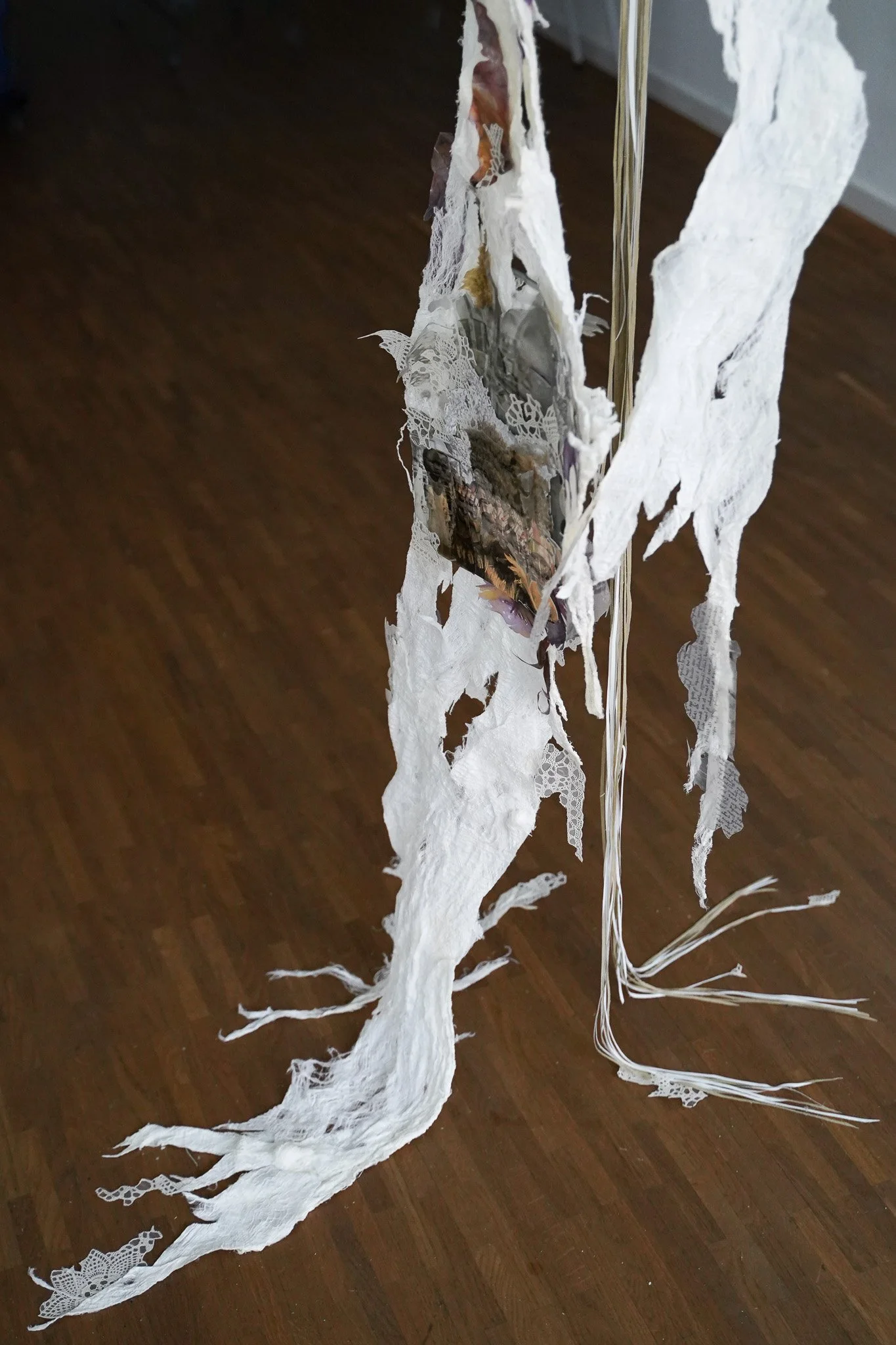
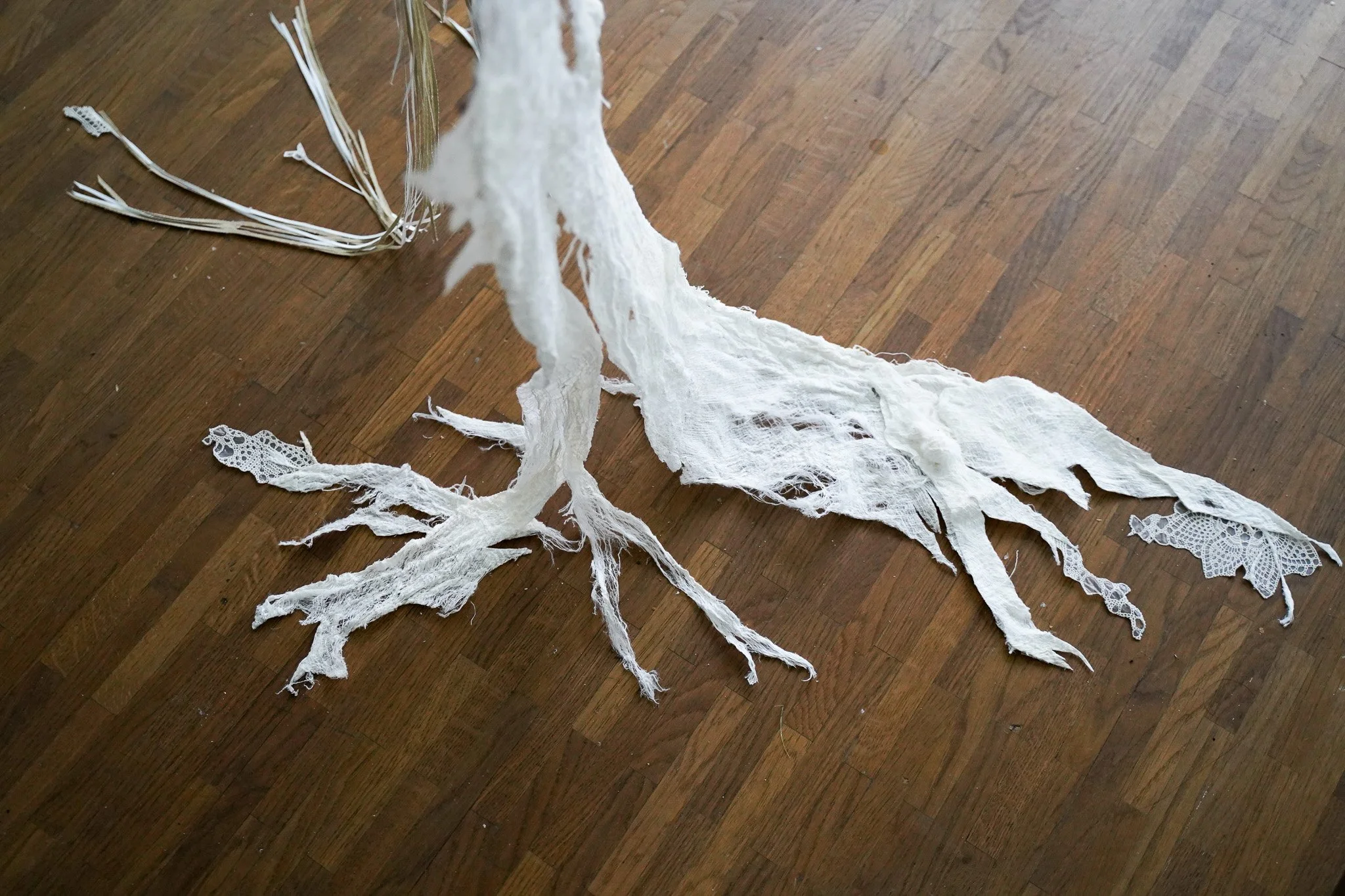
At the centre of the room, a suspended, tree-like structure extended from floor to ceiling, its creeping form establishing a physical presence within the space. Along the surrounding walls and corners, collages incorporating lace, layered papers and distorted archival photographs from JRSA's family extended across the architectural surfaces.
These collages connected to two vertically arranged screens presenting the artist's two-channel video, To You Who Shall Remain. The accompanying audio moved into and out of the exhibition space, allowing the work to extend beyond its immediate visual boundaries.
A book displayed on a pedestal offered visitors a more intimate encounter with the work. Conceived as a personal diary addressed to those who shall remain unborn, it provided a quieter space for reflection within the larger installation.
Birch tree bark connected the different components, extending between the wall collages, suspended structure, video installation and book. This physical connection allowed the various elements to function as parts of a single narrative, rather than as separate artworks.
Through this spatial arrangement, JRSA invited visitors to move between personal and collective histories, intimate reflections and broader questions concerning womanhood, ancestry, reproductive expectations and the many forms that care and motherhood can take.
Exhibition Support: Kulturamt der Stadt Frankfurt am Main